Freight crime has become one of the hardest problems for UK hauliers to plan around. Loads are taken from parked trailers, curtains are slashed in lay-bys, and whole consignments go missing through forged paperwork. At the same time, drivers who reach the end of their legal hours often struggle to find a secure place to stop. This guide looks at what has changed this year, why parked lorries are targeted, and what operators typically put in place to protect their loads and their insurance.
Why lorry cargo theft is in the news
Freight crime has had steady attention through 2026. Ministers have described the slashing of lorry curtains to steal goods as a serious and growing problem, and the government has been testing a dedicated freight crime flag with a small group of police forces. Officers attach the flag to relevant crime reports so the scale and location of freight crime can finally be measured in a consistent way, with a national roll-out planned once the test has been assessed.
Until now, police-recorded crime has not separately identified freight crime, which makes hotspots and organised patterns hard to spot. Figures from the national vehicle crime intelligence unit show thousands of HGV and cargo crime reports each year, and industry estimates put the wider economic cost far higher than the value of the goods taken, once delays, disputes and downtime are counted.
Parking is the other half of the story. The last official count of on-site lorry parking in England was published several years ago, a new national lorry parking survey is under way, and an industry body estimates the UK is thousands of spaces short. A national survey of lorry drivers published this summer found a majority unhappy with the number of suitable places to stop, with poor lighting and few patrols among their main concerns.
Drivers who rated security well at a stop were far more likely to say they slept well there. Secure parking is a welfare issue as well as a theft issue.
How thieves target lorries
The methods vary, but many thefts exploit a lorry that is parked, unattended or in transit between handovers.
- Curtain slashing. Thieves cut the side of a curtainside trailer to check the load, then return for anything worth taking. It often happens in lay-bys and on industrial estates overnight.
- Whole trailer theft. A trailer left in a yard or at the roadside can be hitched up and driven away, load and all.
- Fuel and equipment theft. Diesel, batteries, tail-lift parts and tools are taken from parked vehicles.
- Fraud and fake collections. Increasingly, loads are lost through forged instructions, fake hauliers on load boards and disputed handovers rather than force.
Industry reporting this year has noted that document checks, release procedures and subcontractor checks now matter as much as locks and trackers.
Which lorries and loads are targeted
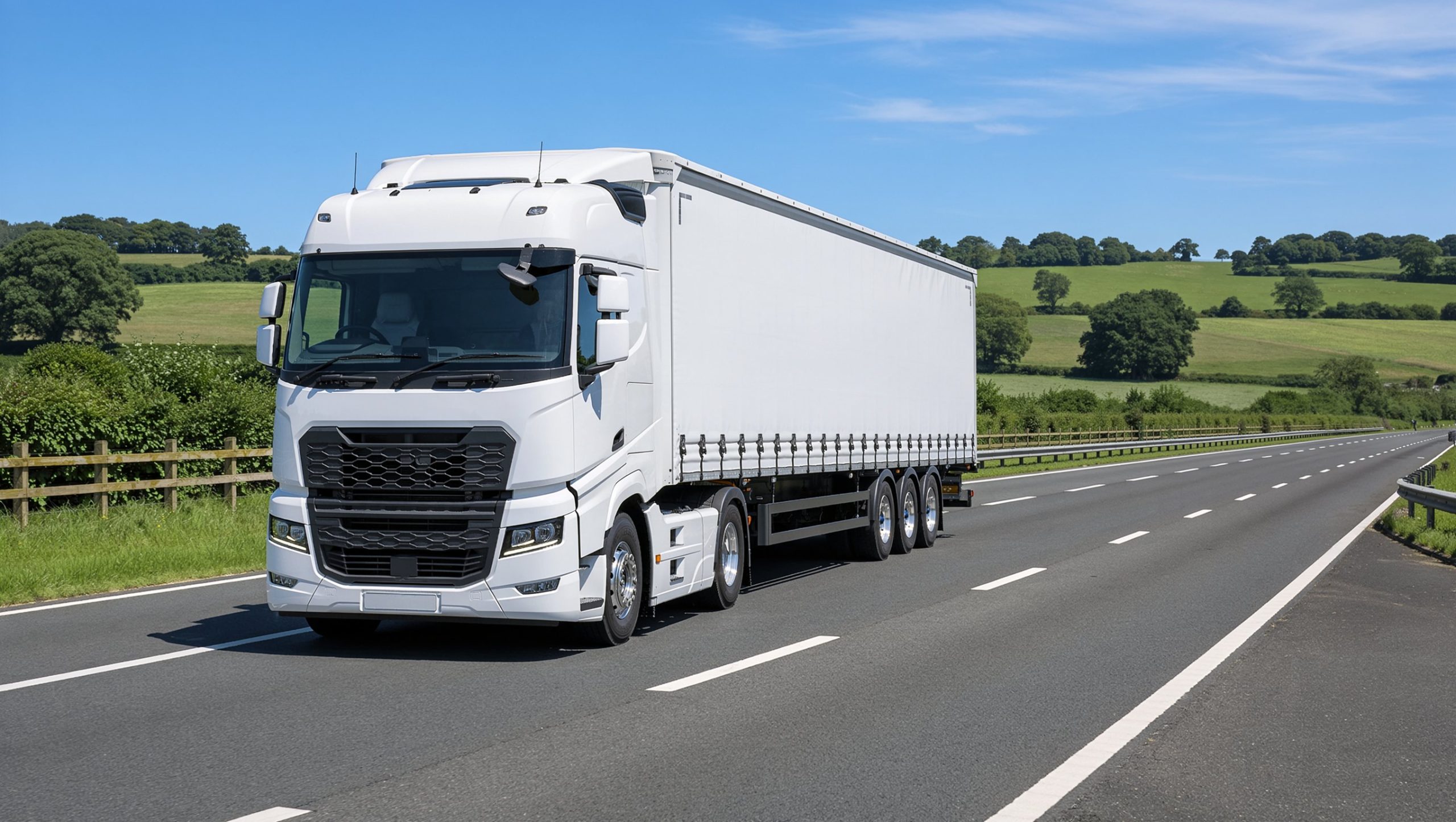
Theft risk depends on the body type, the load and where the vehicle stops. Curtainsiders are an obvious target because the load can be checked with a knife, which is why many operators running curtainside lorries and trailers look closely at where their drivers park. Hard-sided vehicles such as box lorries and box trailers are harder to get into, but are still targeted when the load is valuable.
Trailers dropped overnight carry their own risk. A trailer left at a customer’s site, in a yard or at a drop point can be taken without the tractor unit ever being involved, so cover for trailers left unattended often comes with its own security conditions.
| Situation | Typical theft risk | What operators often do |
|---|---|---|
| Overnight in a lay-by | Curtain slashing, fuel theft, load theft | Plan routes around secure truck stops where possible |
| Trailer dropped at a yard | Whole trailer theft | Kingpin locks, wheel clamps, lit and fenced yards |
| High-value load | Targeted theft, sometimes after tip-offs | Trackers, fewer stops, need-to-know route details |
| Subcontracted load | Fraudulent collection | Checking the haulier, vehicle and driver before release |
What theft means for your insurance
A load stolen from a lorry is usually a claim on goods in transit insurance rather than the motor policy. These policies commonly include conditions about how and where a laden vehicle is left. Typical wording covers things such as:
- whether the vehicle has to be locked, with keys removed, whenever it is unattended
- whether overnight parking has to be in a secure, lit or attended location
- whether an alarm, immobiliser or tracker has to be fitted and working
- limits on the value of certain types of goods carried at one time
- checks required before subcontracting a load to another haulier
If a theft happens while one of those conditions was not met, the claim can be reduced or declined. That is why many hauliers keep a record of where their vehicles parked overnight and why. Thefts also show up in the claims history insurers see at renewal, so repeated losses can affect the terms offered to operators running several lorries as well as to single-vehicle businesses.
What operators typically put in place
There is no single fix, but operators with low theft losses tend to combine several measures.
- Planning stops. Building rest breaks around secure truck stops, and booking spaces ahead where that is possible.
- Vehicle security. Trackers on tractor units and trailers, alarms, immobilisers, kingpin locks and anti-slash curtains.
- Yard security. Fencing, lighting, cameras and controlled access to depots where trailers are dropped.
- Paperwork checks. Verifying any new customer or subcontractor, and checking the vehicle and driver match the booking before a load is released.
- Driver briefing. Keeping load details on a need-to-know basis and making sure drivers know how to report suspicious activity.
- Reporting every incident. Reporting thefts and attempts to the police and the insurer, which also helps the new freight crime data reflect what is really happening.
Owner-drivers face the same risks with fewer resources, so the choice of overnight stop often carries more weight for a one-lorry business.
Lorry cargo theft questions
Is a stolen load covered by HGV insurance?
Not usually by the motor policy itself. The goods are normally covered by a separate goods in transit policy, which sets its own conditions on security and overnight parking.
Do insurers require secure overnight parking?
Many goods in transit policies include conditions about where a laden vehicle can be left overnight. The exact wording varies, so the policy schedule is the place to check what applies.
What is the freight crime flag?
It is a marker police officers can add to crime reports involving freight, so the scale and location of freight crime can be measured consistently. It has been tested with a small number of police forces, with national roll-out planned.
Does a theft count against the claims record if the driver did nothing wrong?
Thefts are recorded as claims whether or not anyone was at fault, so they can affect the terms offered at renewal.
Are trailers covered when they are parked without a tractor unit?
It depends on the policy. Trailer cover often has separate conditions for trailers left unattended, such as locks or clamps and parking in a secure location.
Does HGV Insure handle theft claims?
No. HGV Insure is an information website and does not sell insurance or handle claims. Claims go to the insurer or broker named on the policy.
Reviewing your cover for theft risks
With freight crime in the spotlight, many haulage businesses are reading their security conditions again to see whether they still match how their vehicles are parked and loaded day to day. If you would like to compare cover, one short form can put you in touch with specialist brokers who work with lorry operators.