
Rigid lorry cover
Rigid lorry insurance from 7.5 to 32 tonnes
Two-, three- and four-axle rigids with box, curtain, flatbed, tipper or fridge bodies, on town rounds or regional runs. One short form leads to brokers who insure rigids.
- Two to four axles
- Box, curtain, flatbed, tipper, fridge
- Own goods or haulage
Quick answer
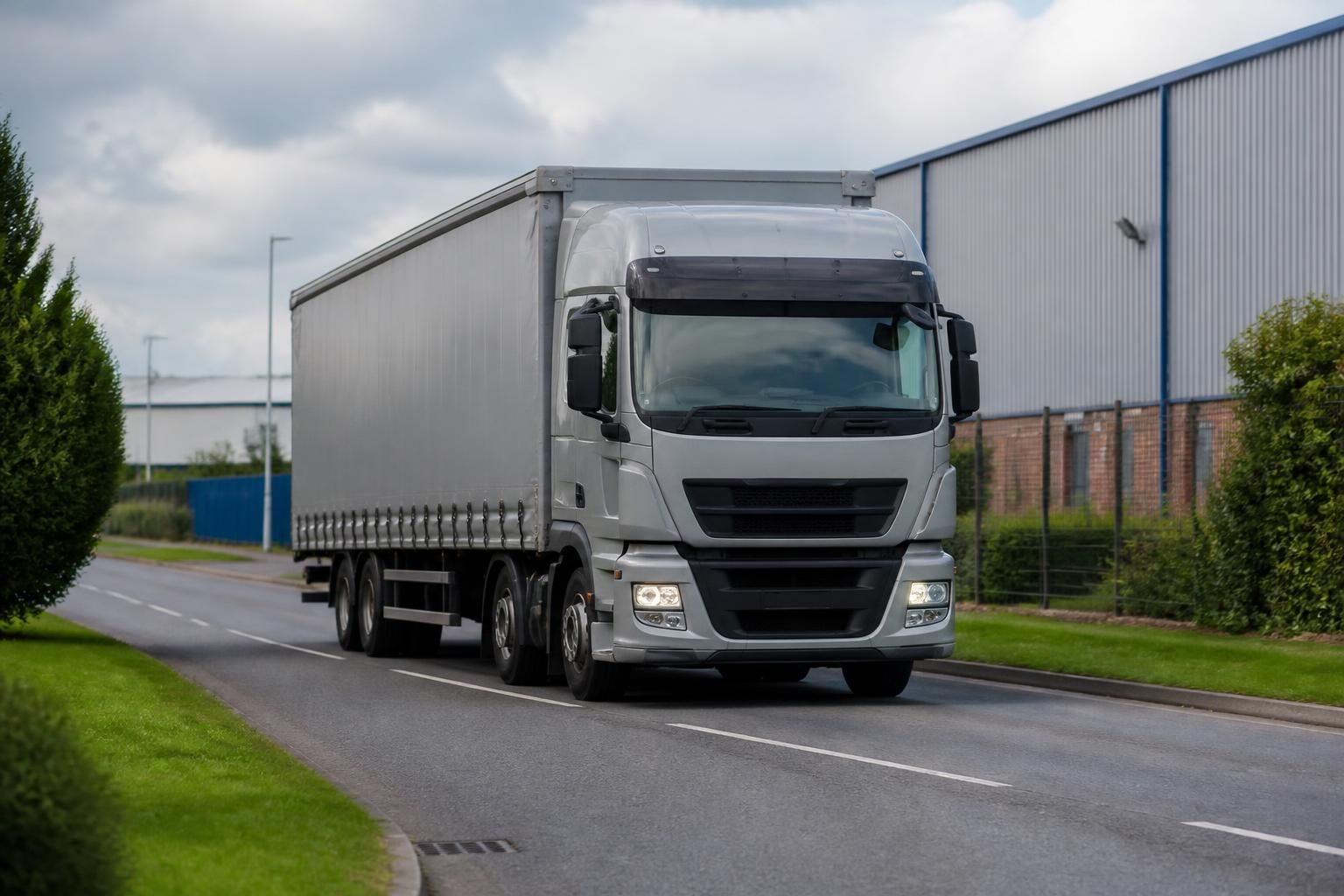
Rigid lorry insurance is HGV motor cover for a goods vehicle whose cab and load body sit on a single fixed chassis, from 7.5 tonne two-axle lorries up to 32 tonne eight-wheelers. Sometimes called rigid HGV or rigid truck insurance, the policy covers your liability on the road and, on comprehensive or third party, fire and theft terms, the lorry itself. How it is priced depends on the body fitted, the weight, where the lorry works and whether it carries your own goods or other people's, while the load itself usually needs goods in transit (opens in a new tab) cover.
Rigid lorry cover at a glance
- A rigid has no fifth wheel and does not articulate, so the lorry and its body are insured as one vehicle.
- Gross weight and axle count shape the risk, from nimble two-axle rounds to heavy four-axle site work.
- The body can be worth a large slice of the lorry, and its value is usually included in the declared vehicle value, sometimes listed separately.
- Low-speed scrapes in yards, loading bays and narrow streets are a familiar source of rigid claims.
- Carrying your own stock and carrying for paying customers are separate classes of use.
What rigid lorry insurance covers
A rigid policy starts with HGV motor cover and can be shaped around the body fitted and the work the lorry does. The parts below are the ones brokers tend to go through.
Rigid lorry sizes and what insurers look at
Insurers group rigids by gross weight and axle layout, then look at the body and the job.
| Rigid lorry | Typical work | What insurers look at |
|---|---|---|
| 7.5 tonne two-axle rigid | Town multi-drop, retail top-ups, trades and small removals | Driver age, C1 entitlement, payload and overloading |
| 18 tonne two-axle rigid | Regional distribution, pallet collections and builders' merchant runs | Mileage, parking at night, tail lift and body value |
| 26 tonne three-axle rigid | Bulky loads, scaffolding, waste and heavier regional deliveries | Rear steer or lift axle, manoeuvring in yards, load security |
| 32 tonne four-axle rigid (eight-wheeler) | Aggregates, muck-away, concrete and other site work | Site conditions, tipping stability, off-road wear and claims history |
Lighter rigids have their own page on 7.5 tonne lorry insurance. A rigid pulling a trailer is covered on drawbar lorry insurance, and tractor units on artic lorry insurance.
Your own goods or carrying for others
The class of use on a rigid follows whose goods are in the back. A wholesaler's eighteen-tonner and a carrier's identical lorry can be rated very differently.
Own goods operators
Builders' merchants, food wholesalers, manufacturers and retailers moving their own stock usually insure for carriage of own goods and hold a restricted operator licence.
Hauliers and contract carriers
Moving other people's loads for payment calls for haulage use and a standard operator licence. More on that trade is in haulier insurance.
Which class of use suits an eight-wheeler tipper hauling aggregates for a quarry customer?
- NoSocial, domestic and pleasureNot meant for a working rigid.
- NoCarriage of own goodsCovers material your own business owns, not a customer's.
- YesHaulage, or hire and rewardLoads moved for a paying customer, whatever the body type.
Licences brokers ask about
In Great Britain, business use of a goods vehicle above 3.5 tonnes usually needs an operator licence, and drivers of rigids above 7.5 tonnes need a category C entitlement. Brokers will want the licence type, the number of vehicles it allows and each driver's entitlement before they start a rigid lorry quote (opens in a new tab).
What affects the price of rigid lorry insurance
Rigid premiums move with the size of the lorry, the body on the back and the places it is asked to go.
Where the lorry works
Urban rounds bring kerbs, parked cars, cyclists and frequent reversing, while regional work adds motorway miles and overnight stops.
What the lorry is
A heavier rigid with a costly body or fridge unit takes more to repair or replace than a plain flatbed of the same weight.
- Gross weight and axlesAn eight-wheeler on site work carries different risks from a two-axle rigid on store deliveries.
- Body type and valueBox, curtain and fridge bodies are tall and costly, tippers face site hazards, and flatbeds bring load restraint questions.
- DriversAge, years holding category C, recent convictions and how long each driver has handled rigids of this size.
- Annual mileage and areaDistance driven and the towns or regions covered both feed into the rating.
- Security and parkingA locked yard, trackers and cameras can help, especially when the lorry stays loaded overnight.
- Claims recordManoeuvring damage and bridge strikes weigh heavily. Several rigids can be grouped on HGV fleet insurance.
Cover that often sits alongside rigid lorry insurance
The motor policy is the core of a rigid operator's cover, but it seldom reaches the load, the staff or work done away from the road.
Before you buy
Questions worth asking about rigid lorry cover
Rigid policies can look alike on paper and still differ on bodies, heights and who can drive. The questions below often come up with a broker while terms are still open.
- Is the body insured for its full value?Where only the chassis value is declared, a total loss can leave the body short.
- How are bridge strikes treated?Some insurers apply a separate or higher excess for height-related damage.
- Is the tail lift covered, and for what?Accidental damage may be included, while mechanical failure often needs separate cover.
- Who is allowed to drive?Named drivers, minimum ages and years of category C experience vary between insurers.
- Are yard and site movements covered?Damage on private land, such as a customer's yard or a building site, can be handled differently from road use.
- Is there a payload or overload condition?Claims linked to an overweight lorry may be reduced or refused.
- Is the declared use right for the jobs?A lorry declared for own goods and then used for paid jobs may not be covered.
- Is a replacement rigid offered?A like-for-like hire lorry with the right body can be hard to find quickly.
How it works
How to get a rigid lorry insurance quote
HGV Insure is an information site, not an insurer or a broker. We link you to MyMoneyComparison.com, a comparison service that can put rigid lorry operators in touch with specialist brokers.
- 1
The quote form
Get my rigid lorry quote takes you to MyMoneyComparison.com, our comparison service.
- 2
Your rigid and the work
The form asks about the vehicle, its weight and body type, your operator licence and who drives. The broker can then go through axle layout, body value and the routes the lorry runs.
- 3
Options from a broker
A specialist broker contacts you with options, subject to insurers' acceptance criteria. There is no obligation to buy.
FAQs
Rigid lorry insurance FAQs
What is a rigid lorry?
A rigid lorry has its cab and load body mounted on one chassis, with no articulation point between them. In the UK, the rigids most people mean by a lorry run from 7.5 tonnes up to 32 tonnes on four axles, with box, curtainside, flatbed, tipper and fridge bodies among the usual options.
What licence do I need to drive a rigid lorry?
A C1 entitlement covers rigids up to 7.5 tonnes, and a category C entitlement covers heavier rigids. Towing a trailer over 750kg needs C1+E behind a 7.5 tonne rigid and C+E behind a heavier one, and insurers will check which categories each driver holds.
Is rigid lorry insurance cheaper than artic insurance?
Not necessarily. Premiums depend on the work, the drivers, the values involved and claims history rather than the vehicle shape alone. An eight-wheel tipper on site work can be rated higher than a tractor unit on steady trunking.
Does my policy cover the body as well as the chassis?
It can, as long as the body is included in the declared value. Bodies are often built separately and can be worth a large part of the lorry, so the figure on the schedule normally reflects the whole vehicle, body included.
What is the difference between rigid and artic lorry insurance?
A rigid is insured as a single vehicle with its body fixed to the chassis. An artic policy covers a tractor unit that pulls separate semi-trailers, which raises questions about trailers owned, hired or left uncoupled. Artic lorry insurance goes into that side.
Is a tail lift covered on rigid lorry insurance?
Accidental damage to a tail lift is often included once its value is part of the vehicle value. Mechanical or electrical failure usually sits outside a motor policy, and injury to someone using the lift can fall under liability cover.
Am I covered if my rigid hits a low bridge?
Damage to your own lorry usually falls under comprehensive cover, and the bridge owner's repair and disruption costs are a third party claim. Some policies carry a higher excess for height-related incidents.
Do I need an operator licence for a rigid lorry?
In Great Britain, using a goods vehicle above 3.5 tonnes for business usually needs one. A restricted licence covers your own goods, and a standard licence is needed to carry for hire or reward.
Can one policy cover rigids with different bodies?
Yes. A business running, say, a box rigid and a tipper can often insure both together, with each body declared. Larger groups usually move onto fleet cover.
Can I insure a rigid lorry as a new operator?
Some insurers will, often looking closely at driver experience, the body type and where the lorry is kept. New operator HGV insurance explains more about starting out.
Does HGV Insure sell rigid lorry insurance?
No. HGV Insure is an information site and a trading style of Mymoneycomparison.com Ltd, the company behind MyMoneyComparison.com, which matches operators with specialist brokers. When you start a quote you continue to MyMoneyComparison.com, where quote requests are subject to insurers' acceptance criteria.
Ready to get your rigid lorry covered?
One form, specialist HGV brokers, no obligation.
Get my rigid lorry quote (opens in a new tab)