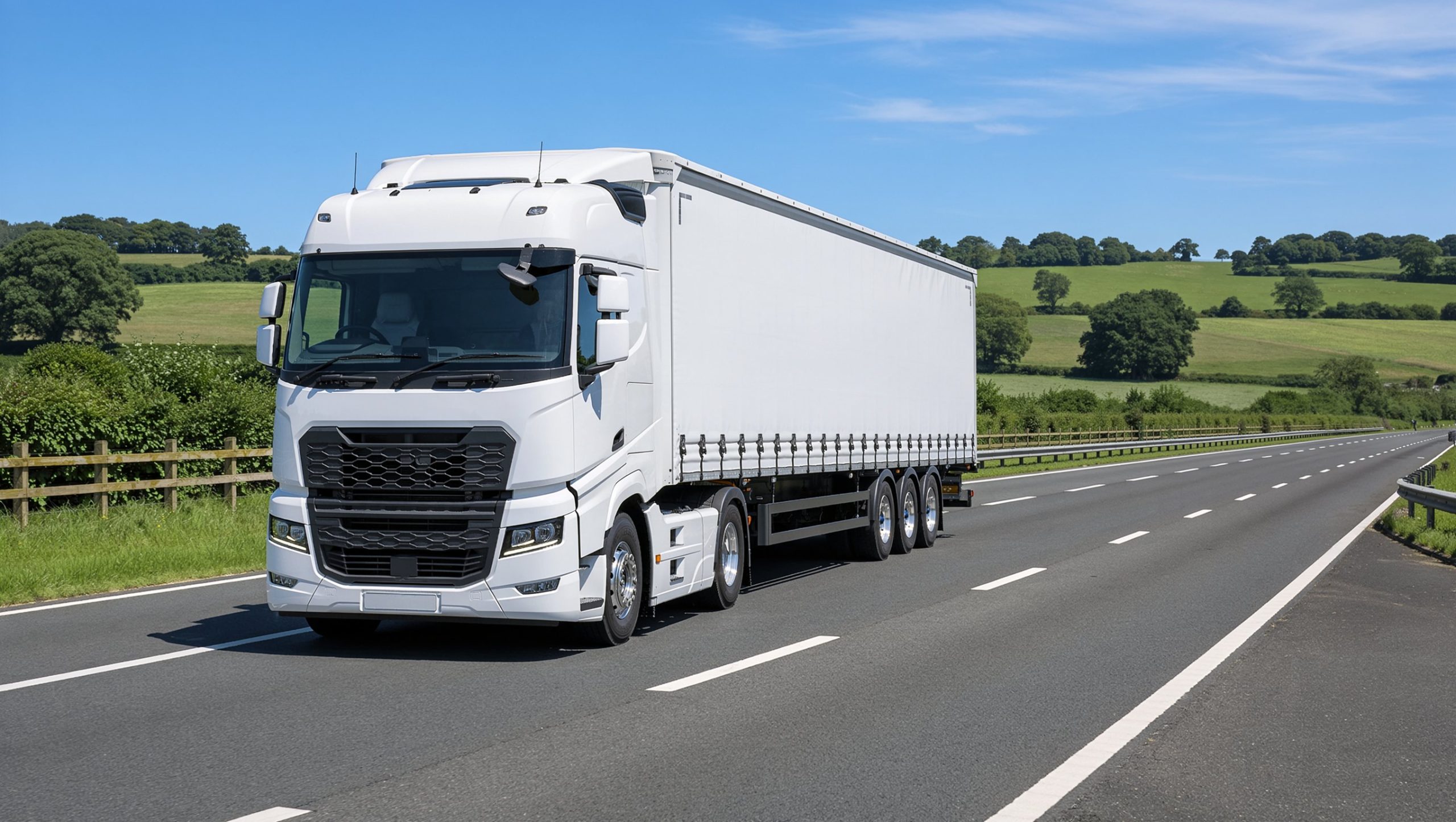
Electric lorries are still a rare sight on UK roads, but more operators are pricing them up, trialling them on local routes and planning depot charging. Insurance is one of the questions that comes up early. An electric HGV is insured in much the same way as a diesel one, yet the risks behind the premium are different: higher vehicle values, specialist repairs, longer time off the road and new equipment in the yard. This guide explains what changes, why it matters now, and what operators typically look at before adding electric lorries to a policy.
Why electric lorries are back in the news
New truck registrations rose over the summer for the first time in around two years, with both rigids and artics up on the year before. Electric lorries went the other way. Their share of new registrations fell to roughly one in a hundred, around half the level of a year earlier, and the industry body that publishes the figures described the shift to zero-emission trucks as fragile.
The cost of the vehicles and of depot charging is the barrier the industry raises again and again. Government grants towards depot chargers reopened this month, covering a smaller share of the cost than in the first round, while separate grants towards the price of electric trucks remain available. The longer-term direction is set: sales of new diesel HGVs at the lighter end are due to end in the next decade, with all new lorries expected to be zero-emission a few years later.
Electric lorries are not yet common, which is part of the insurance challenge. Insurers and repairers have less claims history to work from than they do for diesel vehicles.
How electric HGV insurance works
The structure of cover does not change. An electric lorry still needs motor insurance, and the same choices apply: the level of cover, named or any-driver terms, and whether it sits on a single-vehicle policy or alongside other lorries on a fleet policy for several vehicles. Goods in transit, public liability and employers’ liability work in the same way too.
What changes is the risk the insurer is pricing. When electric lorries are added, insurers usually ask about:
- the value of the vehicle, which is often higher than a diesel equivalent
- where and how the lorry is charged, and who installed the chargers
- the routes and duty cycles it will run, and whether the range suits the work
- driver training on the vehicle and on charging
- where the vehicle would be repaired after damage
Repairs, batteries and time off the road
Insurers report that collisions involving electric vehicles are no more frequent than for diesel fleets, but the cost of each claim can be higher. Repairs need technicians trained to work safely on high-voltage systems, the right diagnostic equipment and, often, a manufacturer-approved body shop that may be some distance from the depot.
- Repair costs. Industry commentary this year put repairs to electric lorries noticeably above those for diesel lorries with the same damage.
- Battery damage. The battery is a large part of the vehicle’s value. If it is damaged, or cannot be confirmed as safe, the vehicle may be written off even when the visible damage looks repairable.
- Downtime. Waits for parts and specialist repairers can keep a vehicle off the road for much longer than a diesel lorry. Hire costs over that time can become a large part of the claim.
- Storage after a crash. Damaged electric vehicles are often kept apart from other vehicles while the battery is checked, which adds cost and time.
Because of this, operators often look closely at the excess on their lorry policy and at whether replacement vehicle or loss of use cover suits a longer repair time.
Rigids, artics and the work they do
Many of the electric lorries in service today are rigids on regular urban and regional work, where routes are predictable and vehicles return to the depot each night. A 7.5 tonne lorry on local deliveries or a larger rigid on multi-drop routes is a typical starting point. Electric tractor units pulling trailers are less common, and their range, charging stops and payload are part of what insurers want to understand.
Breakdowns and recovery need thought too. A flat battery cannot be fixed with a can of fuel, and recovering a heavy electric vehicle safely can need different equipment. Many operators check that their breakdown cover and recovery arrangements include electric vehicles before the first one arrives.
Charging at the depot
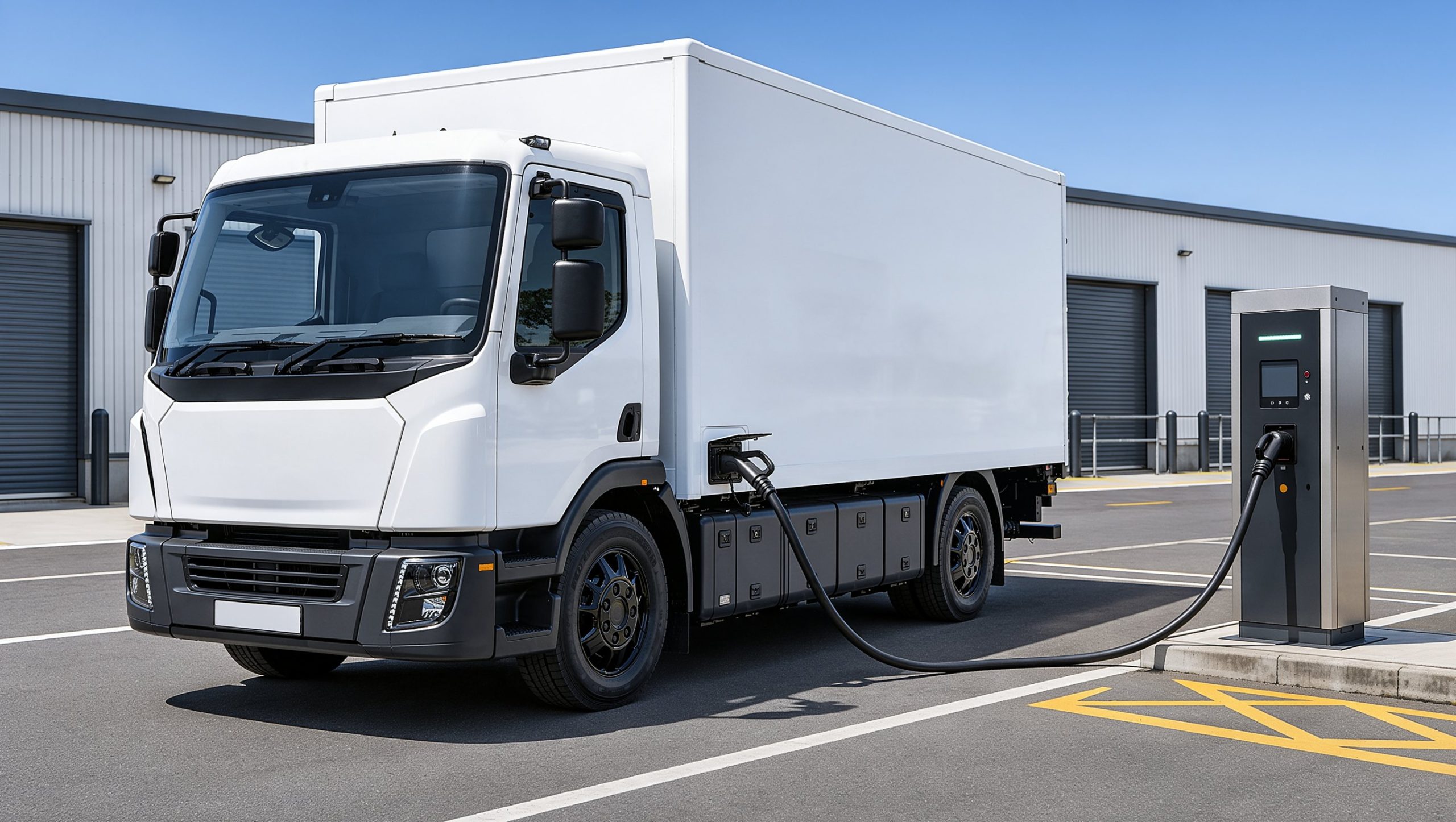
Depot chargers bring new risks that sit outside the motor policy.
| Risk | Where it usually sits |
|---|---|
| Damage to the electric lorry | Motor policy for the vehicle |
| Damage to chargers, cabling and electrical supply | Property or business premises cover |
| Someone tripping on a cable or hurt at a charger | Public liability for visitors, employers’ liability for staff |
| Fire involving a vehicle or charger at the depot | Motor and property cover, depending on the cause |
| Lost work while a vehicle waits for repair | Loss of use or business interruption cover, if included |
Insurers commonly want chargers installed and maintained by qualified electricians, with clear charging areas, cable management and a process for reporting faults.
What operators typically do before going electric
- Talk to their broker early, before vehicles are ordered, so cover is in place on delivery.
- Check how the policy values the vehicle, especially if it is leased or partly funded by a grant.
- Confirm repair arrangements and likely repair times with the dealer or manufacturer.
- Train drivers on the vehicle’s handling, braking and charging routine.
- Review breakdown, recovery and replacement vehicle terms.
- Add depot chargers to the premises and liability cover.
- Update their accident procedure to cover damaged batteries, alongside the steps in our guide to what drivers do after an HGV accident.
Renewal is a natural time to raise these points, and the HGV insurance renewal checklist covers what to gather.
Electric HGV insurance questions
Does an electric lorry need a different type of insurance?
No. It needs the same motor insurance as a diesel lorry, but the insurer will price the different risks, such as vehicle value, repair costs and charging.
Is electric HGV insurance more expensive?
It can be, mainly because of higher vehicle values and repair costs. Terms vary between insurers, and claims history and how the vehicle is used still matter.
Are depot chargers covered by the vehicle policy?
Usually not. Chargers and cabling are normally covered as part of the business premises, and injuries around them fall under liability cover.
Why might a lightly damaged electric lorry be written off?
If the battery is damaged, or its safety cannot be confirmed, repair costs can approach the value of the vehicle, which can lead to a write-off.
Can electric and diesel lorries be on the same policy?
Yes. Many fleet policies cover a mix of diesel and electric vehicles, with each vehicle rated on its own details.
Does HGV Insure sell electric lorry insurance?
No. HGV Insure is an information website and does not sell insurance or handle claims.
Comparing cover for electric lorries
Insurers vary in how they approach electric lorries, so haulage businesses adding them to a fleet often find it helps to compare terms. If you would like to compare cover, one short form can put you in touch with specialist brokers who work with lorry operators.