
Fridge lorry cover
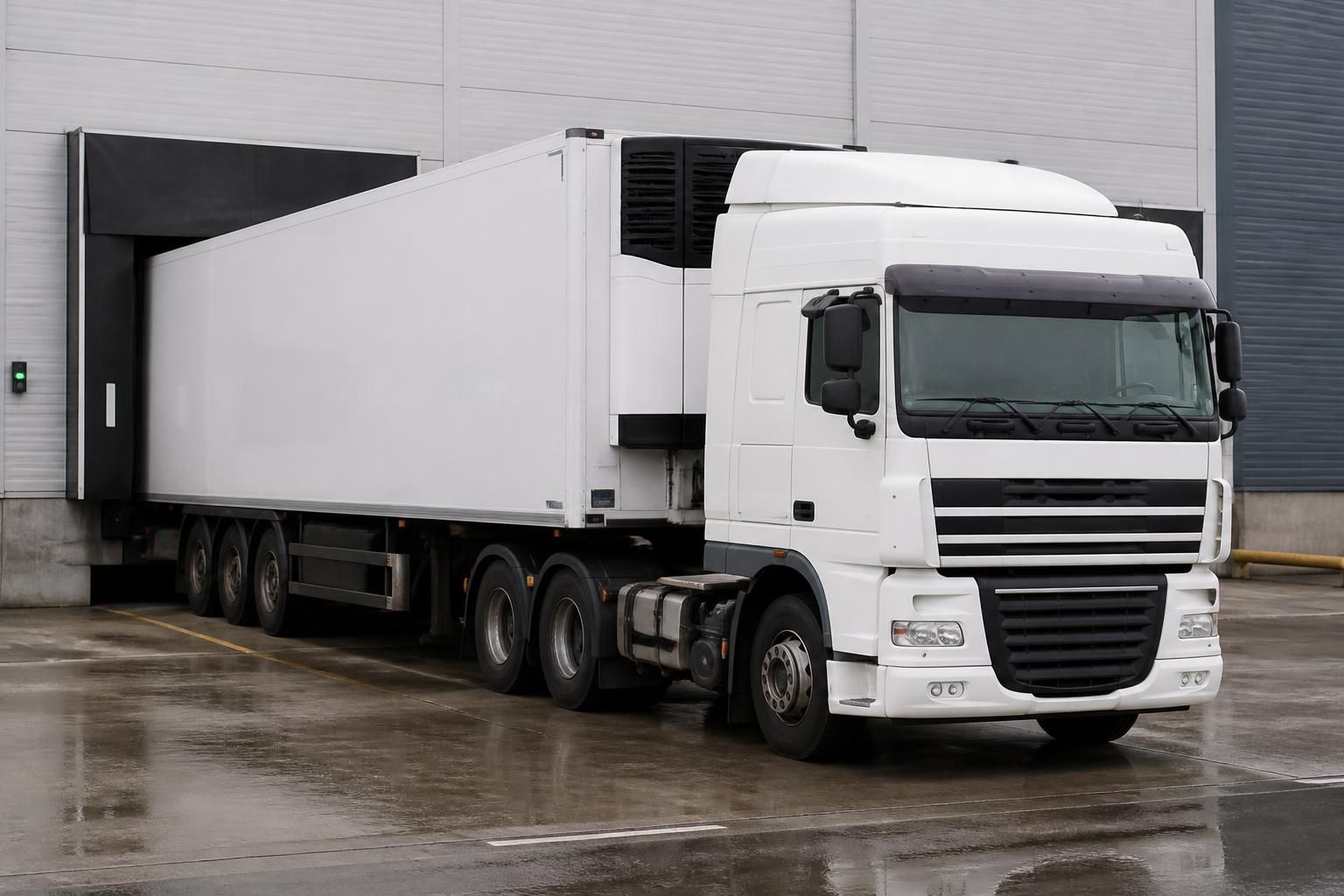
Refrigerated lorry insurance for fridge rigids and reefer trailers
Chilled, frozen or multi-temperature loads, for your own produce or for customers. A single form connects you with brokers who know cold chain work.
- Fridge rigids and reefers
- Unit failure and spoiled loads
- Own goods or haulage
Quick answer
Refrigerated lorry insurance is cover for a temperature-controlled goods vehicle, such as a fridge rigid or a reefer trailer, together with the chilled or frozen load it carries. The motor policy protects the lorry, its insulated body and usually the fridge unit as part of the vehicle. Spoiled stock after the unit fails is a separate matter: standard goods in transit (opens in a new tab) cover often leaves it out, so many operators add a specific deterioration extension.
Fridge lorry cover at a glance
- The lorry, the insulated body and the fridge unit are normally insured together under the motor policy.
- Loads that spoil because the unit broke down usually need deterioration of stock cover added on purpose.
- Insurers look for regular unit servicing and temperature records that can be produced after a claim.
- A food producer delivering its own stock is insured differently from a haulier moving other firms' loads.
- Meat, seafood, alcohol and medicines attract thieves, so parking and security get close attention.
What refrigerated lorry insurance covers
A fridge lorry policy has to deal with two kinds of loss: damage to the vehicle, and a load ruined while the vehicle itself is fine. The pieces below show where each one usually sits.
Refrigerated lorry types and what insurers look at
The size of the vehicle, how the body is divided and what it carries all shape the way an insurer prices a temperature-controlled lorry.
| Fridge lorry | Typical work | What insurers look at |
|---|---|---|
| 7.5 tonne fridge rigid | Butchers, bakers, caterers and wholesale drops to shops and restaurants | Driver age, stop-start town work, unit servicing |
| 18 tonne refrigerated rigid | Regional food distribution and pharmacy or hospital supplies | Load values, temperature logging, overnight security |
| 26 tonne multi-temperature rigid | Chilled and frozen goods in separate compartments for store deliveries | Bulkhead set-up, value of mixed loads, night routes |
| Reefer trailer on an artic | Trunking between producers, cold stores and supermarket depots | Trailer cover when parked, unit condition, distances run |
Smaller fridge rigids also appear on our 7.5 tonne lorry insurance page, and dry box bodies on box lorry insurance. Liquid foods such as milk usually travel in a food-grade tank, covered on tanker insurance.
Your own produce or other people's loads
Who owns the load changes both the class of use on the lorry and the way spoiled goods are covered. A farm shop moving its own meat is a very different proposition from a cold chain haulier carrying a supermarket's stock.
Food producers delivering their own stock
Bakeries, butchers, dairies and growers taking their own products to customers usually insure for carriage of own goods. Their stock may be protected under a business or stock policy rather than goods in transit, as explained on own goods cover.
Cold chain haulage
Carrying chilled, frozen or pharmaceutical loads for other businesses needs haulage use, plus goods in transit with deterioration cover that matches the contract terms, as set out on haulier insurance.
Which class of use fits a fridge lorry carrying customers' chilled goods for payment?
- NoSocial, domestic and pleasureNot suited to commercial refrigerated work.
- NoCarriage of own goodsFits a producer moving its own food, not loads owned by others.
- YesHaulage, or hire and rewardCustomers' temperature-sensitive goods carried for a fee.
Records brokers often request
A deterioration claim usually turns on proof that the load was at the right temperature when it was collected and that the unit was looked after. Brokers may ask for unit service records, a sample of temperature printouts or data logs, and details of how drivers check readings, and these are usually gathered before or soon after you start a fridge lorry quote (opens in a new tab).
What affects the price of refrigerated lorry insurance
Premiums for temperature-controlled vehicles reflect what the lorry carries and how reliably it keeps the load at temperature, as well as the usual motor factors.
Load and contract risk
The value and type of goods, how quickly they spoil, and any limits or penalties written into customer contracts.
Vehicle and unit risk
Age and service history of the fridge unit, standby electric hook-up for overnight cooling, and the value of the body.
- What you carryFrozen bulk food, fresh flowers and medicines differ in value, shelf life and theft appeal.
- Deterioration limitA higher limit for spoiled loads, or a lower excess, changes the cost of the goods in transit section.
- Temperature monitoringTelematics and data loggers that record and alert can count in your favour with some insurers.
- Night and multi-drop workOvernight trunking and supermarket slots raise questions about where the lorry waits and how it is secured.
- Driver experienceAge, years on fridge work and any claims history all feed into the motor side of the price.
- Number of vehiclesSeveral fridge rigids and reefers can be grouped on HGV fleet insurance.
Cover that often sits alongside fridge lorry insurance
The motor policy is only part of the picture for a temperature-controlled operator. These covers deal with the load, the staff and the trailers.
Before you buy
Questions that come up on fridge lorry cover
The details that matter most on a refrigerated policy tend to come up only after a unit fails. These points tend to come up with the broker while the policy is still being put together.
- Is deterioration of stock included?Or is it an optional extension, and what limit and excess apply to it?
- What causes of unit failure are covered?Some policies pay only after accidental damage or sudden breakdown, not wear or running out of fuel.
- Is there a minimum breakdown period?A few insurers pay only if the unit was off for a set number of hours.
- What records are expected after a claim?Temperature printouts, logger data and service history are commonly requested.
- Are multi-temperature loads treated as one?Limits can apply per compartment, per load or per vehicle.
- Are there conditions on overnight parking?Theft cover may require a secure yard or attended site for valuable cargo.
- Is the fridge unit valued separately?A unit can be worth a large share of the vehicle, so an agreed value is often set for it.
- Does the declared use cover chilled work for others?Delivering your own produce and carrying for others are declared differently.
How it works
How to get a refrigerated lorry insurance quote
HGV Insure is an information site, not an insurer or a broker. We link you to MyMoneyComparison.com, a comparison service that can put temperature-controlled operators in touch with specialist brokers.
- 1
The quote form
Get my fridge lorry quote takes you to MyMoneyComparison.com, our comparison service.
- 2
Your fridge lorry and the work
The form asks about the vehicle, its weight and body, your operator licence and who drives. The broker follows up on the fridge unit, the goods carried and any deterioration cover needed.
- 3
Options from a broker
A broker who handles temperature-controlled vehicles gets in touch with what is available, subject to insurers' acceptance criteria. Nothing has to be bought.
FAQs
Refrigerated lorry insurance FAQs
What is refrigerated lorry insurance?
It is insurance for a lorry built to carry goods at a controlled temperature, such as a fridge rigid or a tractor unit pulling a reefer trailer. It is sometimes called refrigerated truck insurance, and normally combines HGV motor cover for the vehicle and its unit with cover for the temperature-sensitive goods on board.
Does goods in transit cover chilled and frozen loads if the unit fails?
Not automatically. Many goods in transit (opens in a new tab) policies exclude deterioration caused by a change in temperature unless a specific extension is added. Where it is included, insurers often expect the unit to have been serviced and temperatures to have been recorded.
Can a reefer trailer be insured on its own?
Yes. Many operators insure reefer trailers separately from the tractor units that pull them, which suits trailers left at depots or swapped between units. A trailer parked with its unit running on standby power may carry its own conditions, so details of where it is kept are commonly requested. More on this in HGV trailer insurance.
Is the fridge unit covered by the motor policy?
Usually the unit is treated as part of the vehicle, so accident, fire and theft damage to it falls under comprehensive motor cover. Wear and mechanical failure are a different matter and may need an engineering or breakdown extension.
Do I need temperature records for insurance?
Insurers commonly expect them, particularly for a deterioration claim. Printouts or logger data showing the load temperature at collection and during the journey make it easier to show what went wrong and when.
Are multi-temperature lorries insured differently?
The vehicle is insured in much the same way, but the load side can be more complex. Separate chilled and frozen compartments may carry different values and spoil at different rates, and limits can differ per compartment or per load.
Can pharmaceuticals be carried on a standard fridge lorry policy?
Some insurers accept medicines readily and others restrict them, as the loads can be valuable and attractive to thieves. Pharmaceutical customers also tend to require tighter temperature control and records, which a broker may ask about.
Does night trunking to supermarkets affect cover?
It can. Night work raises questions about where the lorry waits before a delivery slot, whether the unit runs on standby power while parked, and how the load is secured during driver breaks.
Is a fridge van covered on this page?
This page is about refrigerated lorries over 3.5 tonnes. Smaller fridge rigids are also covered on our 7.5 tonne lorry insurance page, while light refrigerated vans are generally insured as commercial vans.
Does HGV Insure sell refrigerated lorry insurance?
No. HGV Insure is an information site and a trading style of Mymoneycomparison.com Ltd, the company behind MyMoneyComparison.com, which matches operators with specialist brokers. When you start a quote you continue to MyMoneyComparison.com, where quote requests are subject to insurers' acceptance criteria.
Ready to get your fridge lorry covered?
One form, specialist HGV brokers, no obligation.
Get my fridge lorry quote (opens in a new tab)