"How much is HGV insurance?" is one of the first questions operators ask, and one of the hardest to answer with a single figure. Two lorries of the same make and age can be quoted very different prices, because insurers look at the whole business behind the vehicle: what it carries, who drives it, where it goes and what has happened in the past. This guide explains the main things that shape the cost of lorry insurance in the UK, why prices are under pressure at the moment, and what operators typically do to present their business well.
Why the cost of lorry cover is in the spotlight
Motor insurers paid out record sums in the spring and early summer of this year, with the average claim rising mainly because repairs keep getting more expensive. Modern vehicles carry cameras, sensors and driver-assistance systems that add to the bill for even minor damage, and repairers report shortages of parts and skilled technicians.
Haulage feels this keenly. Commentary published this autumn pointed to rising repair claims, delays in third-party claims handling that keep vehicles off the road for longer, and strict experience requirements for drivers as pressures on hauliers' insurance costs. None of that sets the price of an individual policy, but it explains why renewals have been harder for many operators.
There is no standard price for HGV insurance. Each quote reflects the insurer's view of one business, its vehicles and its drivers, which is why comparing terms matters.
The vehicle and what it does
The lorry itself is the starting point. Insurers look at its weight, value, age and body type, and at the work it does.
- Size and value. Heavier, newer and higher-value vehicles usually cost more to repair or replace.
- Body type. Specialist bodies such as tankers, tippers, cranes and car transporters bring their own risks, and some insurers only accept certain types.
- Whose goods. Carrying other people's goods for payment is insured differently from moving your own stock. Haulage for hire and reward usually needs broader cover.
- Where it goes. Local work, national trunking and trips abroad are rated differently, and so are the hours the vehicle is on the road.
Rigids, artics and specialist lorries
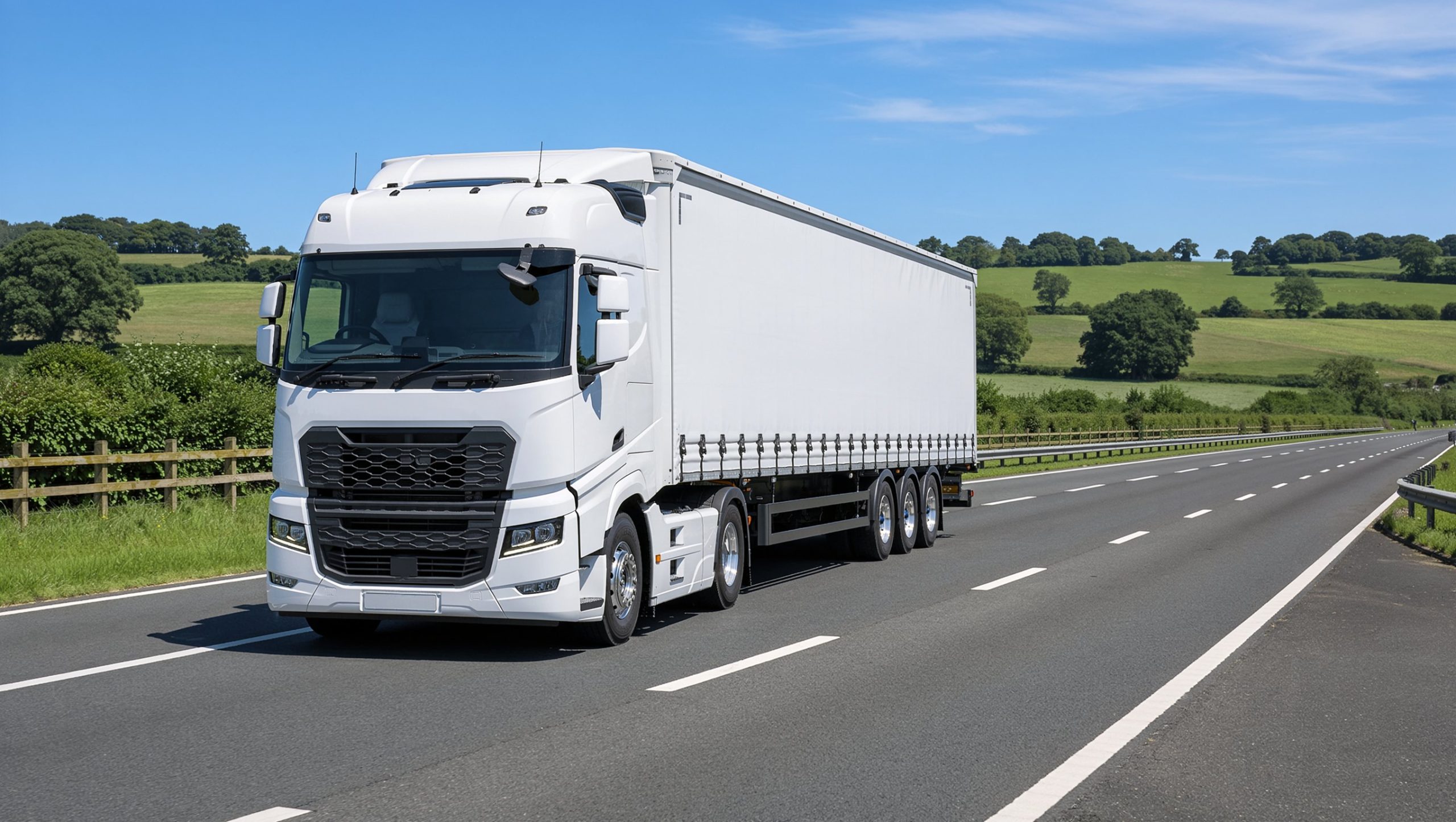
A smaller rigid on regular local routes is a different risk from an articulated lorry running nights on the motorway network. Artics bring a tractor unit and one or more trailers into the picture, and trailers may be insured on the same policy or separately. Specialist work, such as tipping, lifting or carrying hazardous loads, adds questions about how the vehicle is used on site as well as on the road.
Operators with more than one lorry often find that putting several vehicles on a fleet policy changes how they are rated, because the insurer looks at the claims history of the whole business rather than each vehicle alone. A self-employed owner-driver with one lorry is assessed more on their own record.
Drivers and claims history
Who drives the lorry matters as much as the lorry itself. Insurers usually ask about each driver's age, licence history, convictions and claims. Many policies set minimum age and experience conditions, which is why newly qualified HGV drivers can be harder to insure.
The claims history of the business is often a major influence on renewal. Insurers look at how often claims happen, how much they cost and what caused them. A record of incidents with clear steps taken afterwards, such as training or cameras, tells a different story from repeated claims with no change. A new operator with no claims history in its own name is rated differently again, because the insurer has little to go on.
How the main factors compare
| Factor | Why insurers ask | What operators typically do |
|---|---|---|
| Vehicle type and value | Sets the cost of repair or replacement | Give accurate values and full body details |
| Type of work | Haulage, own goods and specialist work carry different risks | Describe the work clearly, including any occasional jobs |
| Drivers | Age, experience and records affect claim likelihood | Keep licence checks and training records up to date |
| Claims history | Past claims are a guide to future ones | Request the claims experience document ahead of renewal |
| Security and parking | Affects theft and damage risk | Record where vehicles are kept and what security is fitted |
| Cover chosen | Wider cover and lower excesses pay out more | Match the level of cover and excess to the business |
Cover, excess and extras
The level of cover chosen has a direct effect on the price. Comprehensive cover pays for damage to your own lorry as well as liability to others, while third-party cover is more limited. The excess matters too: a higher voluntary excess usually lowers the premium but means paying more towards each claim, which is why some operators look at excess protection for lorry policies.
Extras add to the overall cost but often sit alongside the motor policy for good reason. Goods in transit cover for the load, public and employers' liability, breakdown and recovery, and replacement vehicle cover are all priced separately or as add-ons.
Security, telematics and how the business is run
Insurers take account of how a business manages risk day to day. Secure overnight parking, trackers and alarms reduce theft risk, and freight crime has made this more relevant, as covered in our guide to lorry cargo theft and overnight parking. Forward-facing cameras and telematics can help settle disputed claims and show how vehicles are driven.
Written procedures for accidents, driver induction, vehicle checks and load security also help. They do not guarantee a lower price, but they give the insurer more than a list of vehicles and drivers to judge the business on.
HGV insurance cost questions
How much does HGV insurance cost?
There is no standard figure. The price depends on the vehicle, the work it does, the drivers, the claims history of the business and the cover chosen, so quotes for similar lorries can vary widely.
Why has my lorry insurance gone up at renewal?
Common reasons include higher repair costs across the market, recent claims, changes to drivers or vehicles, and changes in how insurers view a type of work.
Is fleet cover cheaper than insuring lorries separately?
It can be for some businesses, but not always. Fleet policies are rated on the claims history of the whole business, which can work for or against an operator.
Does paying monthly cost more?
Paying in instalments often costs more overall than paying the premium in one go, because of credit charges. The quote should show both options.
What information do insurers need for a quote?
Usually details of the business, each vehicle, each driver, the work carried out, the claims history and the cover wanted. Our HGV cover finder helps work out which types of cover apply.
Does HGV Insure set insurance prices?
No. HGV Insure is an information website and does not sell insurance or set prices. Prices are set by the insurers that brokers approach.
Comparing lorry insurance quotes
Because each insurer weighs these factors differently, comparing terms is the usual way operators check they are getting cover that fits. If you would like to compare quotes, one short form can put you in touch with specialist brokers who work with lorry operators.