
Recovery truck cover
Recovery truck insurance for the truck and the vehicle on the back
Slide beds, spec lifts and heavy wreckers working the roadside. One short form reaches specialist brokers.
- Light and heavy recovery
- Contract and private jobs
- Single truck or fleet
Quick answer
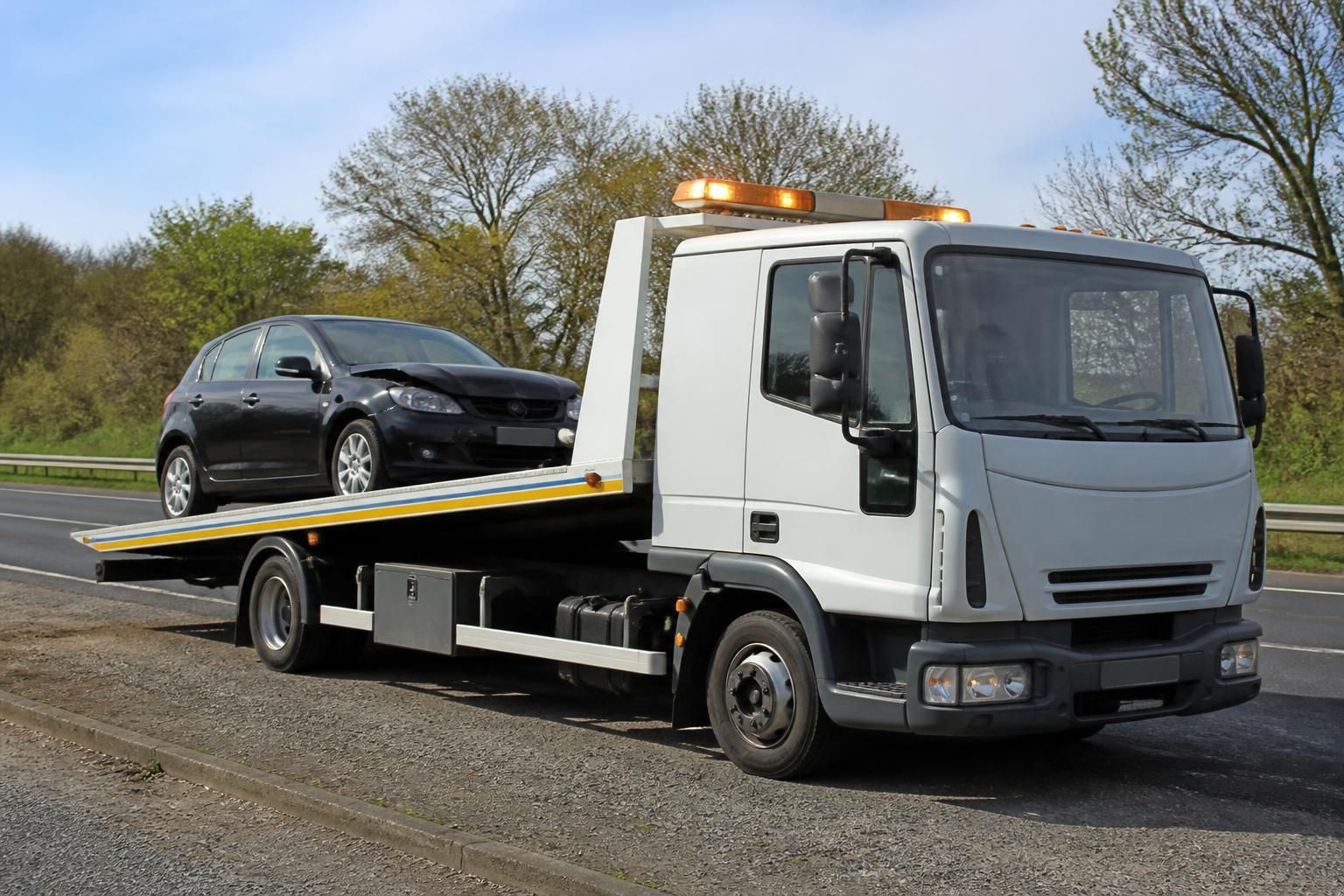
Recovery truck insurance is cover for a heavy vehicle built to rescue, tow or carry broken-down and damaged vehicles, such as a slide bed, a spec lift or a heavy wrecker, together with cover for the customers' vehicles in its care. The motor policy deals with the truck itself on the road. Cars, vans, lorries and buses being carried, towed or kept in a compound are someone else's property, so they are usually insured under a vehicles in custody section, much like goods in transit (opens in a new tab).
Recovery truck cover at a glance
- The truck, the casualty vehicle and the roadside work itself are separate risks, and a quote can treat each one differently.
- Damage during winching, lifting or towing is a frequent cause of disputes with vehicle owners.
- Night calls and hard-shoulder jobs bring extra risk for crews and for other road users.
- Police and motor club work usually comes with insurance conditions written into the contract.
- Vehicles held in a storage compound stay in your custody until they are collected.
What recovery truck insurance covers
A recovery policy normally pulls several kinds of cover together. Knowing which part responds to which kind of mishap makes quotes easier to weigh up side by side.
Recovery vehicle types and what insurers look at
The kind of recovery vehicle, and the size of casualty it is built for, shape how an insurer rates the risk.
| Recovery vehicle | Typical jobs | What insurers look at |
|---|---|---|
| Beavertail or slide-bed rigid | Cars and light vans from the roadside, garages and accident scenes | Value of vehicles carried, winch use, overnight parking |
| Spec lift or under-lift rigid | Towing cars and vans with the front or rear wheels raised | Towing damage, crew experience, distances covered |
| Heavy recovery wrecker | Lorries, coaches and buses, including rollovers and recovery from verges | Boom and under-lift capacity, motorway work, value of casualties |
| Multi-car recovery transporter | Moving several broken-down or accident-damaged vehicles from incident sites, police compounds or car parks | Load value, loading method, licence position for any non-recovery moves |
Lorries used mainly for planned trade moves between dealers sit on our car transporter insurance page, and plant or machinery moved on a step frame is covered under low loader insurance.
Recovering your own vehicles or customers' vehicles
Whose vehicle is on the back decides how the truck and the load are insured. A haulier rescuing its own broken-down lorries is a very different proposition from a firm answering calls from the public, motor clubs or the police.
In-house recovery
Fleets and garages that only move their own vehicles may be able to declare the truck on their existing motor or fleet cover, a point the broker can confirm. HGV fleet insurance explains how several vehicles can share a policy.
Recovery for payment
Rescuing, towing and storing vehicles that belong to customers needs business use that includes recovery, plus cover for the vehicles in custody. Haulier insurance covers the wider haulage side.
Which class of use fits recovering customers' vehicles for a fee?
- NoSocial, domestic and pleasureNot suited to any recovery work.
- NoCarriage of own goodsUsually limited to moving your own vehicles or stock.
- YesBusiness use including recovery for hire and rewardCustomers' vehicles carried, towed and stored for payment.
Details brokers often want
Brokers commonly look for crew training records, the safe working loads of the winch and lifting gear, the security of any storage yard, and the terms of any contract work. Recovery vehicles moving only broken-down or damaged vehicles are generally outside operator licensing, but carrying vehicles that are not disabled, such as trade moves, usually brings the truck back in. It helps to know which applies before you start a recovery truck quote (opens in a new tab).
What affects the price of recovery truck insurance
Recovery work is priced on what happens at the scene and in the yard as well as on the road, and the custody side can carry a lot of weight.
At the roadside
Working on hard shoulders and live lanes, often in the dark or in bad weather, with casualties that may be damaged, unstable or leaking fluids.
Back at base
Vehicles stored for days or weeks, keys held on site, and the fencing, lighting and cameras protecting the compound.
- Type of truckA slide bed carrying a hatchback is seen very differently from a heavy wrecker lifting a loaded artic or a coach.
- Value of casualtiesPrestige cars, new vans and laden lorries raise the limit needed for vehicles in custody.
- Mix of workMotor club callouts, police contracts, trade moves and private jobs each carry their own exposure.
- Crew experienceRecovery training, time in the job and a record of clean claims help a proposal.
- Compound securityLocked gates, lighting, cameras and how keys are held all affect theft and fire risk.
- Claims historyPast custody and lifting claims count alongside motor claims on the trucks.
Cover that often sits alongside recovery truck insurance
Much of the risk in recovery happens with the truck parked and the crew on foot. These covers deal with the parts a motor policy may leave out.
Before you buy
Questions worth settling on recovery truck cover
Recovery policies tend to part company over the casualty vehicle and the work at the scene. The questions below are a sensible list to run through with a broker first.
- What is the limit for each vehicle in custody?A single prestige car or laden lorry can exceed a limit set with everyday cars in mind.
- Is damage during winching and lifting included?Some policies exclude harm caused by the recovery itself, or cap it at a lower amount.
- Are vehicles in the compound covered?Storage cover can depend on fencing, lighting, key control and how long vehicles are held.
- Does the policy meet contract requirements?Police and motor club agreements often set their own minimum limits and conditions.
- Is driving customers' vehicles covered?Moving a casualty under its own power, even a short distance, may sit outside the truck policy.
- Is driving on trade plates covered?Not usually under a standard motor policy on the truck. Driving on trade plates needs cover that includes it, often a motor trade road risks policy, and plates are only issued to businesses that qualify.
- Who can drive and operate the kit?Named drivers, minimum ages and recovery training requirements vary between insurers.
- Is a replacement truck offered?A suitable heavy recovery vehicle can be hard to hire at short notice.
How it works
How to get a recovery truck insurance quote
HGV Insure is an information site, not an insurer or a broker. We link you to MyMoneyComparison.com, a comparison service that can put recovery operators in touch with specialist brokers.
- 1
The quote form
Get my recovery truck quote takes you to MyMoneyComparison.com, our comparison service.
- 2
Your recovery truck and the work
The form asks about the vehicle, its weight and body type, any operator licence and who drives. The broker then follows up on the recovery work, contracts and storage.
- 3
Options from a broker
A specialist broker contacts you with options, subject to insurers' acceptance criteria. There is no obligation to buy.
FAQs
Recovery truck insurance FAQs
What is recovery truck insurance?
It is cover for a heavy recovery vehicle, such as a slide bed, spec lift or wrecker, joined with cover for the customers' vehicles it carries, tows or stores. The two parts may sit in one policy or be arranged side by side.
Does my HGV policy cover the car on the back of my recovery truck?
Usually not on its own. Customers' vehicles are normally insured under a vehicles in custody section or a cover similar to goods in transit insurance (opens in a new tab), with a limit for each vehicle.
Is damage caused while winching or towing covered?
It depends on the policy. Some include damage caused during loading, lifting and towing, while others exclude it or set a lower limit, so how recovery damage is treated is worth checking before cover starts.
Do police and motor club contracts need special insurance?
These contracts often set minimum levels of liability and custody cover, along with conditions on response and storage. Brokers can check that a policy meets the terms of the agreement in question.
Are vehicles in my storage compound insured?
Many recovery policies can include vehicles kept at your premises, usually subject to security conditions such as fencing, lighting, cameras and locked key storage. Limits for stored vehicles can differ from those on the road.
Can I use trade plates on a recovered vehicle?
Trade plates are issued only to qualifying businesses, such as motor traders and vehicle testers, so recovery work alone does not usually qualify. A casualty carried or towed by the truck does not run on plates. If one is driven on plates, that driving needs its own insurance, usually under a motor trade road risks policy rather than the recovery truck policy.
Do recovery trucks need an operator licence?
A vehicle built or permanently adapted for recovery is generally outside operator licensing while it is used to recover or move broken-down or damaged vehicles. Carrying vehicles that are not disabled, such as trade moves or auction collections, usually means a licence applies, and insurers will ask which position you are in.
What licence do I need to drive a recovery truck?
A recovery truck over 7.5 tonnes needs a category C licence, while one between 3.5 and 7.5 tonnes can be driven on C1. Towing an A-frame or trailer behind the truck can bring the E categories into play, and insurers usually ask about each driver's entitlement.
Can a new business insure a recovery truck?
Some insurers will, often asking about the crew's recovery experience, the type of work and where vehicles will be stored. More on this in new operator HGV insurance.
Does HGV Insure sell recovery truck insurance?
No. HGV Insure is an information site and a trading style of Mymoneycomparison.com Ltd, the company behind MyMoneyComparison.com, which matches operators with specialist brokers. When you start a quote you continue to MyMoneyComparison.com, where quote requests are subject to insurers' acceptance criteria.
Ready to get your recovery truck covered?
One form, specialist HGV brokers, no obligation.
Get my recovery truck quote (opens in a new tab)